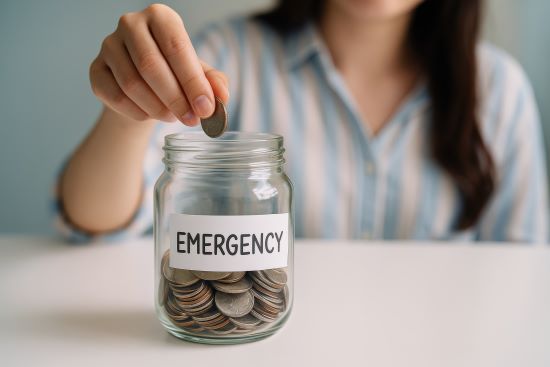
New study: Americans have $500 in emergency savings
(BPT) - The median emergency savings for Americans is $500, according to new Empower research. The size of the safety net varies by generation, with Boomers saving a median of $2,000 — five times that of Gen Z's reserves of $400. One-third of Americans (32%) don't have an emergency savings fund and 29% say they can't afford an unexpected expense over $400.
Half of Americans admit they're stressed about their current level of emergency savings (50%) and recognize the importance of a safety net. Some 75% of Americans agree emergency savings are essential for financial security and 64% say it's a financial priority for them.
Emergency savings are top of mind — and a moving target
The majority of Americans (64%) say growing their emergency savings is a financial priority right now — even if they're still finding their financial footing. So where do things stand?
The median emergency savings balance for Americans:
- Overall: $500
- Gen Z: $400
- Millennials: $300
- Gen X: $500
- Boomers: $2,000
A third (30%) do not believe they could handle unexpected expenses that could arise in the year ahead. Close to 1 in 5 Americans say their savings would cover less than a month of expenses (18%).
The majority (63%) say the rising cost of living has made it harder to build or maintain emergency savings, and 35% say the economy and tariffs have caused them to increase their contributions. More than half (58%) say saving for emergencies feels "almost impossible" with how expensive everything is right now.
In the past year, many have faced unplanned financial events including:
- Car repairs (26%)
- Medical bills (24%)
- Home repairs (19%)
- Job loss or income reduction (14%)
- Pet emergency (11%)
Nearly two-thirds (64%) of Americans say emergency savings are a financial priority for them in 2025. Some 17% contribute to their fund monthly as part of their budget, and 31% say they've added to their savings in the past month.
Stress meets strategy
Most take a "better safe than sorry" approach to emergency savings and want to put away as much as possible (39%), with half (52%) wishing they had started saving sooner. Close to 1 in 5 are more modest, saving up "just enough to sleep at night" (17%), while 13% are opportunity cost conscious — they balance emergency savings with other investments.
But the study reveals awareness and momentum: Nearly half (48%) believe their emergency savings will grow over the next year:
- 20% add to their fund sporadically when they have extra money
- 12% have set up automatic monthly contributions
What gets in the way?
Nearly a quarter (23%) say they maintain the same emergency savings approach regardless of economic conditions, though Americans cite several common roadblocks to saving for a rainy day:
- 39% say inflation and rising prices are the top barrier
- 35% point to high monthly expenses
- 32% say their income is too low or irregular
- 22% prioritize paying off debt first
Close to half (46%) say their emergency savings account has less money compared to a year ago and more than 2 in 5 (42%) say their savings wouldn't help them if they lost their job today. Some 40% say they can count on their family to help if something goes wrong financially.
Where do Americans keep their safety nets?
Around 37% of Americans store their emergency saving fund in a regular savings account. A quarter use a checking account (23%). Nearly 1 in 5 keep emergency cash at home (19%) — a figure that rises to 27% among Gen Z.
Only 16% have set a specific goal of saving six months of expenses. But the lack of a precise number isn't stopping people from trying. In fact, 41% don't have a target at all — but they're putting away money as they go.
Generational check-in
- Gen Z: 25% say they don't have emergency savings yet, but a notable 33% have worked with a financial professional to help them get started.
- Millennials: Nearly 3 in 10 have consulted an advisor about emergency savings, and they're increasingly focused on building long-term security.
- Gen X: The most likely generation to say they couldn't afford an unexpected $400 expense (35%).
- Boomers: Feel they could handle an emergency expense over $10,000.
A roadmap for resilience
When asked what would make the biggest difference in their ability to save more, respondents pointed to:
- Higher income (48%)
- Lower monthly expenses (37%)
- Lower inflation or more stable prices (36%)
- Ability to pay off debt first (27%)
- Better tools and smarter automation (9%)
Safety net snapshot
Americans are expecting the unexpected, and many are seeking advice: More than 1 in 4 people (26%) have worked with a financial professional to plan for emergencies, including 33% of Gen Zers and 29% of Millennials.
Methodology:
Empower's "The Safety Net" study is based on online survey responses from 2,202 Americans ages 18+ fielded by a third-party panel provider from June 3-5, 2025. The survey is weighted to be nationally representative of U.S. adults.
RO4715749-0825